Build a Smart Home and Free Up Your Hands
[How to design a seamless digital ecosystem that transforms your daily flow]
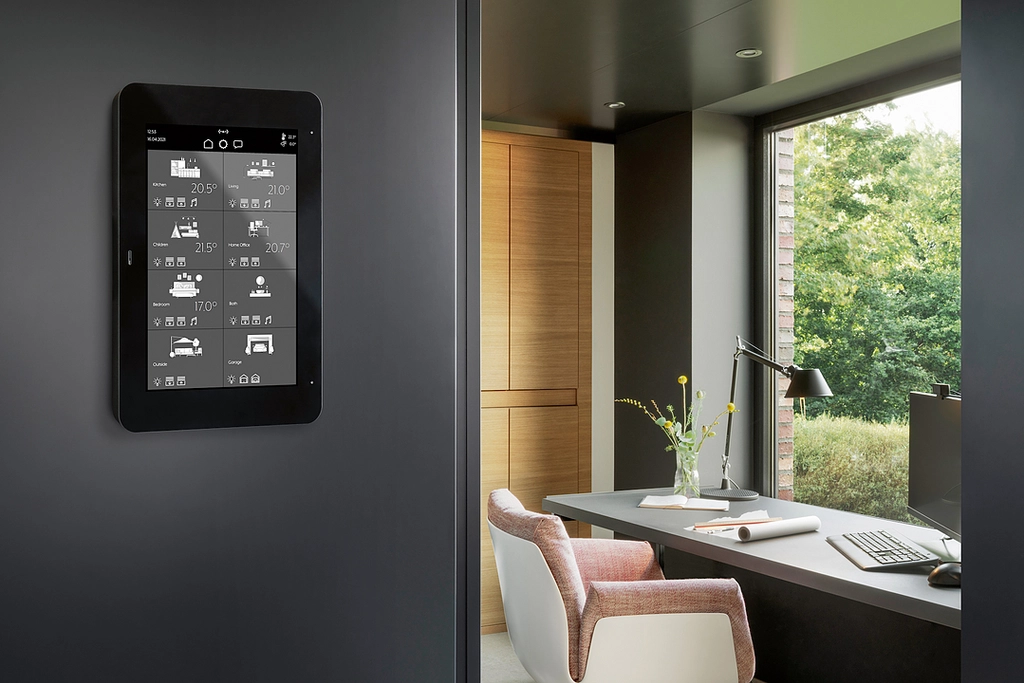
True luxury in a modern home is no longer measured solely by the premium quality of its finishes; it is felt in the effortless orchestration of its daily life. In the Netherlands, where our historic townhouses and contemporary apartments demand meticulous spatial efficiency, a smart home shouldn’t mean introducing distracting screens, messy wires, or complex tech menus. True automation is invisible. It is an architectural intervention that quietly handles the friction of daily routines, intercepts your needs, and permanently frees up your hands so you can focus entirely on living.
Upgrading your property into an intelligent sanctuary is about using architectural cleverness to integrate technology directly into the building's fabric. Here is how you can systematically upgrade your home into a highly responsive, hands-free ecosystem.
What is a Smart Home?
[Moving from static architecture to a responsive living network]
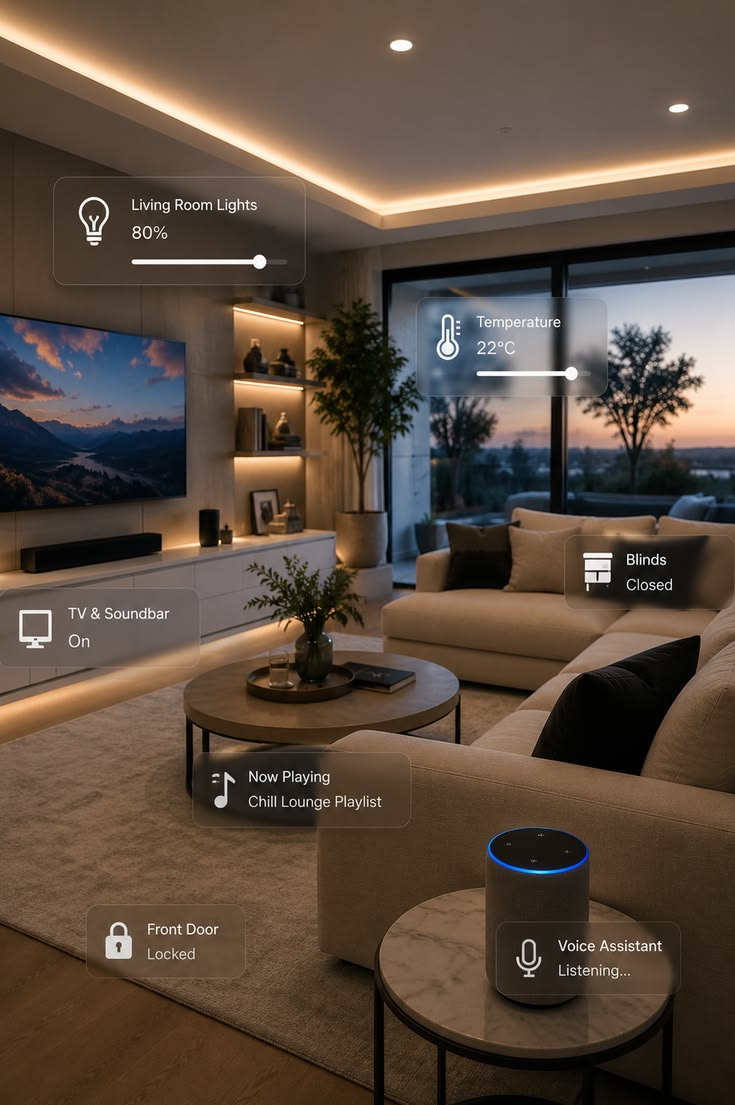
A smart home is a system of devices that can be controlled through your phone or an app—even when you are away from home. Rather than operating as isolated pieces of hardware, these connected appliances communicate through a shared network to streamline your daily routines. Whether you are adjusting the heating from your office, checking security cameras from across the city, or scheduling your lights to turn on automatically at sunset, this digital layer transforms your living space into a highly responsive environment that works actively to simplify your life.
The New Rules for Solar Power: Capturing Your Energy
[Moving from passive grid reliance to smart self-consumption]
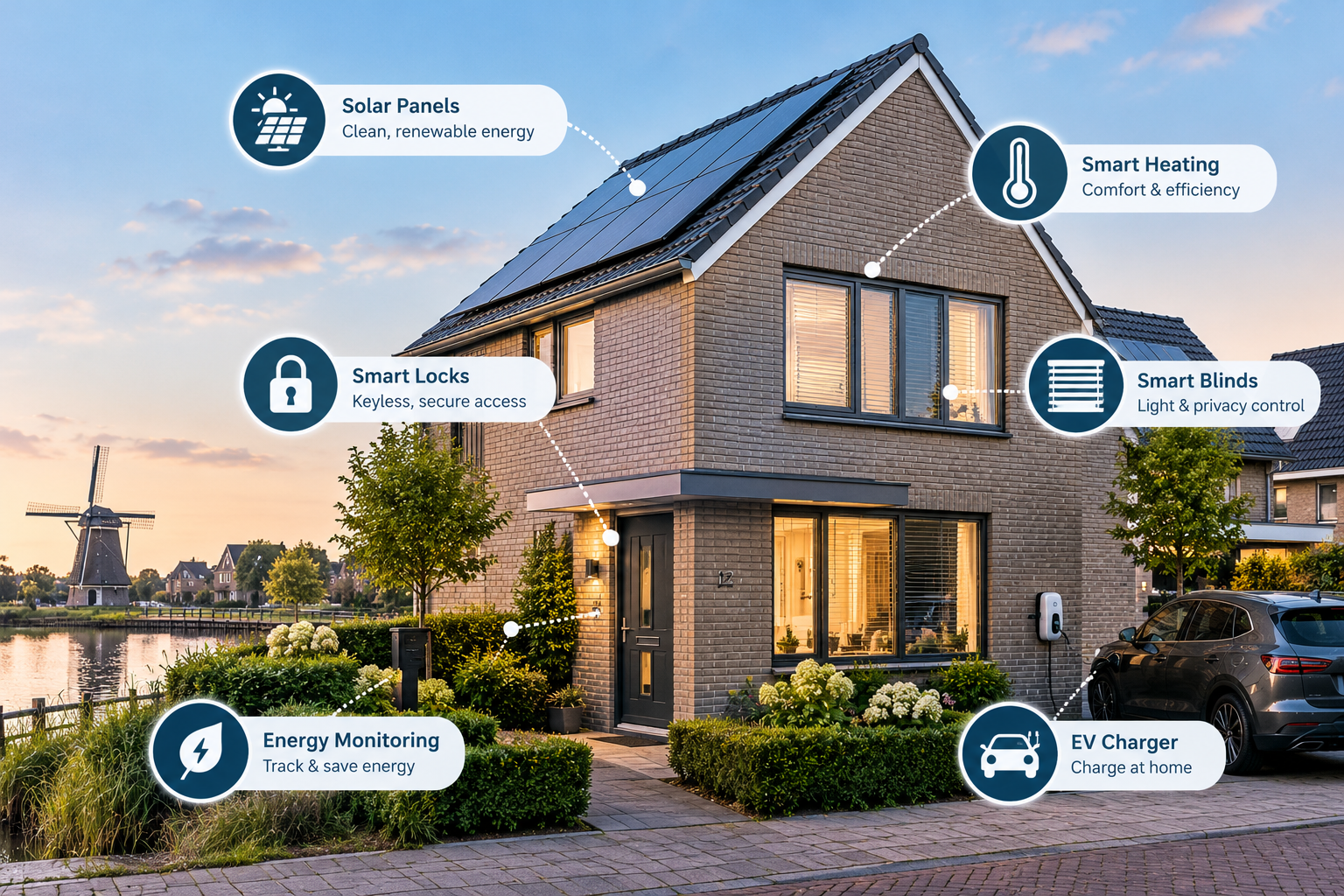
The mechanical urgency driving the smart home evolution in the Netherlands is the change to the national solar energy rules (the phaseout of the salderingsregeling). Historically, Dutch homes could send excess midday solar energy back into the public grid for a seamless, one-to-one credit, using the grid as a free battery.
Soon, exporting your power back to the grid will offer significantly lower returns. To prevent financial loss, modern homes are upgrading to smart energy systems. By installing an intelligent digital backbone, your home moves from merely generating energy to orchestrating it—automatically directing your surplus solar power into home storage batteries, heat pumps, or electric vehicles the exact moment it is generated, rather than letting it escape to the grid for pennies.
The Fundamental Blueprint: Upgrading Step-by-Step
[Moving from immediate purchases to a structured rollout plan]
Transforming a traditional property into a fully automated environment requires a calculated roadmap rather than an uncoordinated shopping spree. Bringing multiple new devices online simultaneously without a clear plan can overwhelm your network infrastructure and introduce unnecessary software conflicts. To guarantee a reliable, stress-free ecosystem, the rollout should follow a logical sequence: establish your centralized network hub first, systematically integrate structural climate and lighting frameworks, and finally deploy automated cleaning and safety utilities. This systematic approach ensures that each new addition integrates perfectly into your daily routine, allowing your home's intelligence to scale smoothly without complicating your interface.
Ways to upgrade your home to a Smart Home
1. Install a Central Smart Hub
[Moving from fragmented applications to unified voice orchestration]
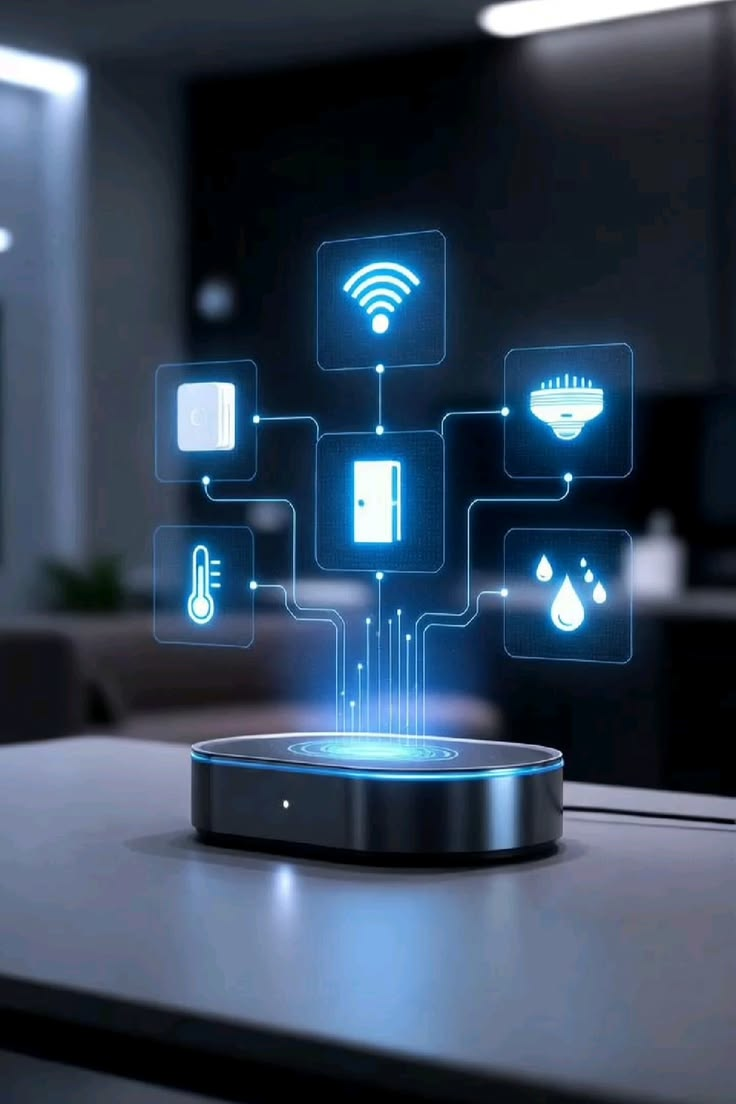
Managing multiple smart devices through separate mobile applications creates unnecessary digital friction. The foundational step to achieving a hands-free environment is implementing a single, centralized smart hub—such as an Amazon Alexa or Google Assistant ecosystem. By linking your smart home registry to a central hub, you establish a unified digital command center that translates simple voice prompts into complex, coordinated household actions.
This installation shifts the property from an uncoordinated array of gadgets into a responsive system. Instead of manually interacting with individual controls, a central hub allows you to execute multi-device routines using custom voice triggers. Stating a single phrase like "Good night" allows the hub to simultaneously lock external entryways, drop motorized window shades, set the underfloor heating to an energy-saving baseline, and slowly dim all architectural lighting to zero. This operational center removes the reliance on handheld devices, keeping your focus entirely on your physical surroundings.
2. Upgrade to Smart Lighting
[Moving from manual hardware switches to responsive light orchestration]
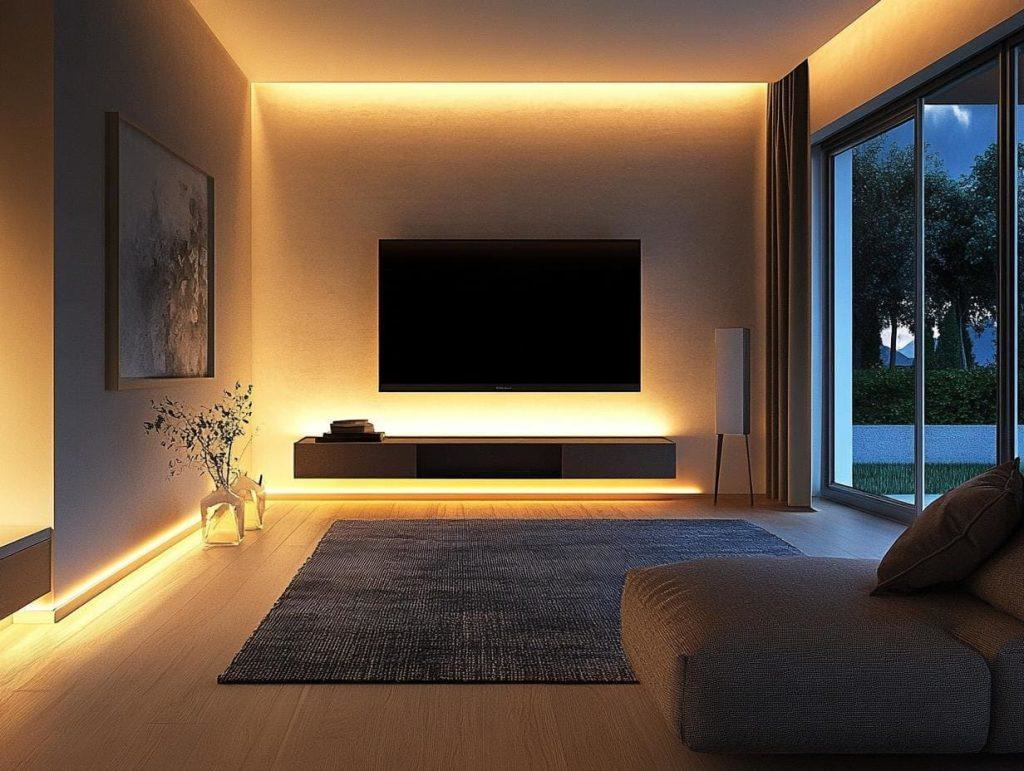
Walking across a dark room to search for a light switch is an outdated ritual that disrupts the physical flow of a modern home. Replacing traditional incandescent bulbs with smart LED alternatives, or retrofitting standard wall plates with smart switches, allows you to transform your lighting infrastructure into a responsive design feature. This intervention keeps your hands free while allowing the home to adapt dynamically to daily routines and changing light patterns.
The true luxury of smart lighting lies in its capacity for automated scheduling and motion tracking. Rather than managing fixtures manually, you can program your lighting system to complement your natural biological clock—slowly illuminating architectural recesses with a crisp, energizing light in the morning, and transitioning to a warm, low-contrast golden hue as evening approaches. Furthermore, by integrating discrete, flush-mounted motion and lux sensors, the house can track movement in real-time. Walking into a hallway or bathroom automatically triggers the lights at the exact intensity required for the hour, ensuring you never have to touch a button in the dark.
3. Automate Climate Control
[Moving from manual thermostat adjustments to predictive thermal comfort]
Continuously adjusting individual radiator valves or stepping over to a central wall monitor to change temperature settings creates a persistent daily friction point. Installing smart climate systems shifts your heating infrastructure from a reactive layout to an autonomous system. This upgrade eliminates manual intervention while protecting your home from unnecessary energy and electricity waste.
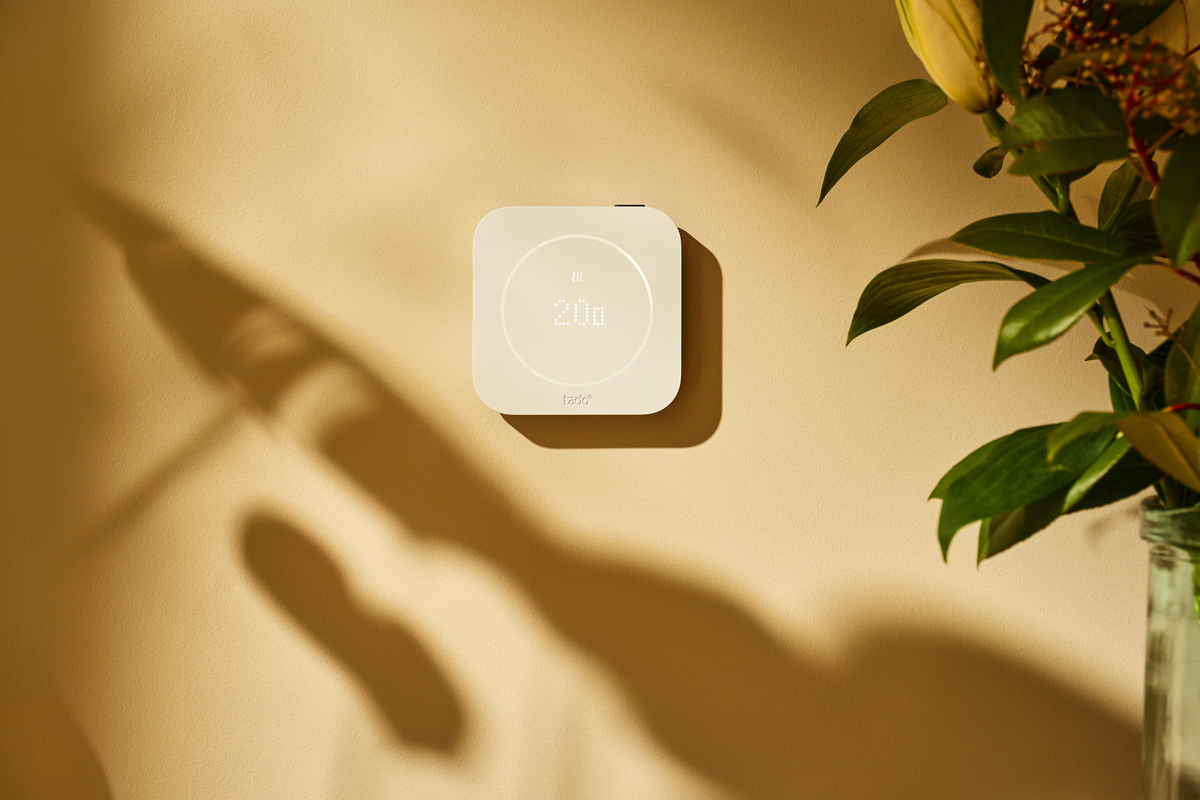
Zonal Room-by-Room Control: Implementing multi-zone systems like Tado° or Honeywell Evohome allows you to set independent, automated schedules room by room. Instead of heating the entire house uniformly, the system stops underfloor heating or radiators from wasting energy in unused guest rooms or home offices during the evening.
Adaptive Environment Awareness: At the core of this system is a smart thermostat that constantly detects ambient indoor temperatures, humidity, and even open windows. Instead of waiting for you to feel cold or warm, the thermostat automatically adjusts the climate settings in real-time based on your habits and preferences, maintaining a perfectly stable indoor environment without you ever touching a dial.
Intelligent Heat Pump & Solar Bridging: Advanced smart climate setups bridge the gap between your rooftop solar panels and your heating system. The automation monitors real-time weather forecasting and solar production; during peak afternoon hours when your panels generate excess electricity, the system automatically triggers your hybrid or full electric heat pump to pre-heat the home’s hot water tank. This stores thermal energy for the evening, handling your entire home comfort cycle completely hands-free.
4. Enhance Home Security
[Moving from traditional lock-and-key barriers to active proximity awareness]
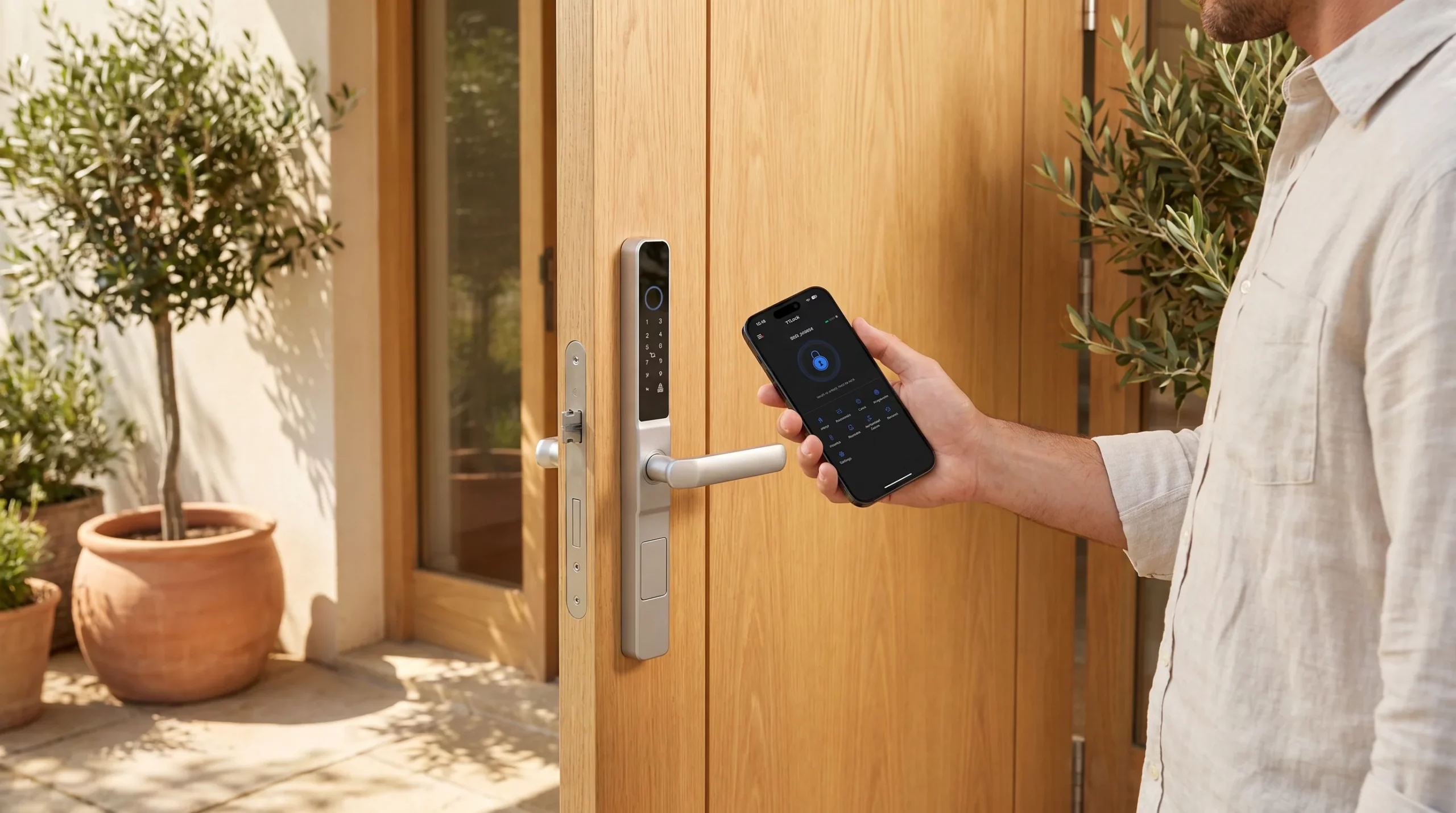
Arriving home with your hands full of groceries should never involve a stressful scramble for your keys at the front door. Upgrading your physical security network with keyless smart entry locks, smart video doorbells, intrusion alarms, and strategically placed Wi-Fi surveillance cameras redefines the boundary of your home. This ecosystem turns passive security hardware into an active, intelligent shield that works autonomously to safeguard your property.
By integrating motorized multi-point smart locks seamlessly into your entry doors, you unlock absolute hands-free accessibility. Utilizing secure proximity tracking via your smartphone or smartwatch, the front door recognizes your approach and automatically retracts the latch as you step onto the threshold.
High-definition video doorbells and exterior security cameras provide an additional layer of protection, using intelligent motion and person detection to deliver real-time notifications to your smartphone when activity is detected. With compatible smart security systems, geofencing technology can recognise when authorised residents arrive home, automatically switching the alarm to disarmed mode. Smart locks and door sensors can also work together to secure the entrance once the door is closed, creating a connected security experience that reduces the need for constant manual intervention.
5. Deploy Smart Sockets and Dynamic Tariff Optimization
[Moving from unmanaged appliances to automated, cost-negative power schedules]
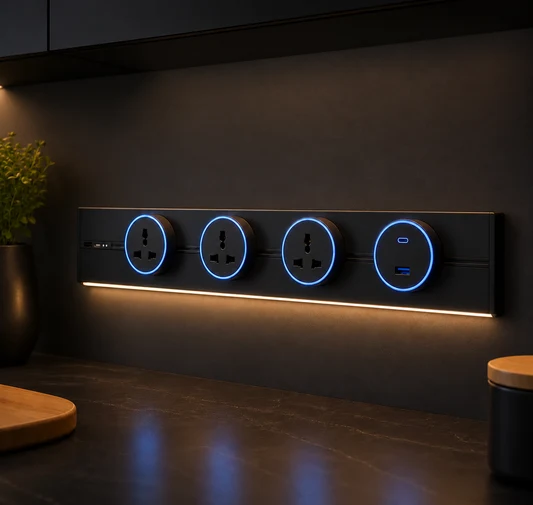
Leaving household appliances running unmanaged is both an energy drain and a missed financial opportunity. By plugging standard appliances—such as washing machines, dishwashers, or heat elements—into smart sockets, you bring legacy hardware into the digital network. In the Netherlands, where the energy landscape heavily rewards flexible usage, this integration allows you to automate appliances around dynamic electricity tariffs.
Rather than running heavy cycles during peak expensive hours, a smart home gateway monitors real-time market pricing. On windy or incredibly sunny days in the Netherlands, electricity prices plummet, and power can even become free or negative. The system automates your white goods to kick on exclusively during these hours. You simply load the machine, and the ecosystem handles the operational timing completely hands-free, maximizing savings while you sleep.
6. Add Safety and Environmental Sensors
[Moving from reactive hazard alerts to early disaster prevention]
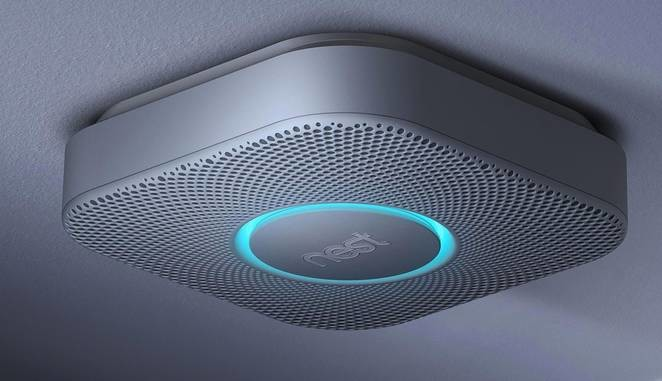
Traditional smoke detectors and safety alarms only provide value if you are physically present to hear their sirens. If an emergency occurs while you are away from the property, a standard alarm system cannot prevent damage. Installing an interconnected network of smart smoke detectors, gas leak sensors, and localized water leak detectors shifts your home safety strategy from a loud, reactive warning to an early, automated disaster prevention system.
These smart sensors monitor your environment in real-time and communicate wirelessly across your entire home ecosystem. If a pipe under the kitchen sink begins to drip or a heating element releases carbon monoxide, the specific sensor immediately pushes a real-time notification to your smartphone, identifying the exact location of the issue. Advanced setups can be programmed to take autonomous action—such as triggering a smart main valve to shut off the home's water supply the moment a leak is detected, or automatically activating the ventilation system during a gas trace. This level of automated intervention catches emergencies at the earliest possible moment, protecting your property asset completely hands-free.
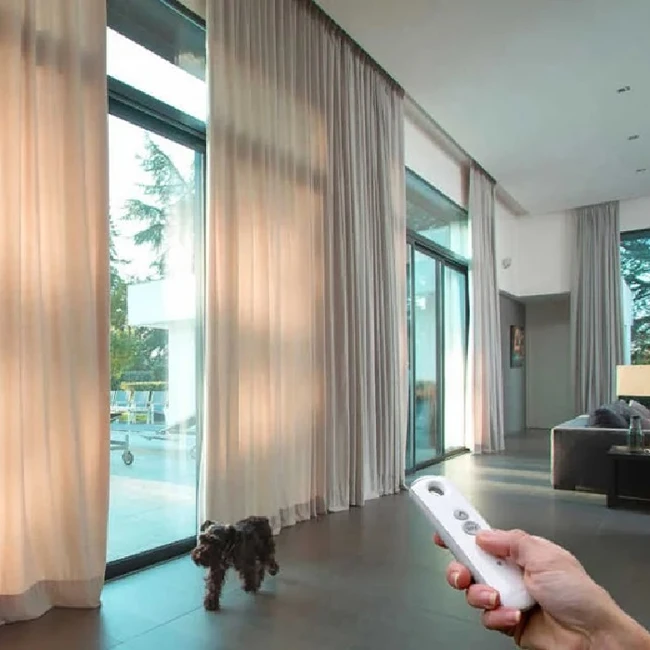
7. Automate Window Treatments
[Moving from manual blind cords to autonomous daylight orchestration]
Manually pulling cords across multiple large-format or floor-to-ceiling windows is a daily chore that creates unnecessary visual and physical friction. Installing motorized smart curtains or retrofitting existing tracks with automated roller engines allows your window treatments to interact dynamically with the external environment. This upgrade permanently handles light management and privacy settings without you ever having to lift a hand.
By hardwiring or connecting these motorized tracks into your central home network, you can program them to respond directly to time, solar position, or interior temperature thresholds. During bright afternoon hours, the ecosystem can detect rising indoor temperatures and automatically lower the solar shading to prevent overheating, protecting your interior finishes and reducing the cooling load on your HVAC system. At dusk, the window treatments close in unison, transforming the house into a secure, private retreat based on a pre-programmed schedule—orchestrating light and shadow completely hands-free.
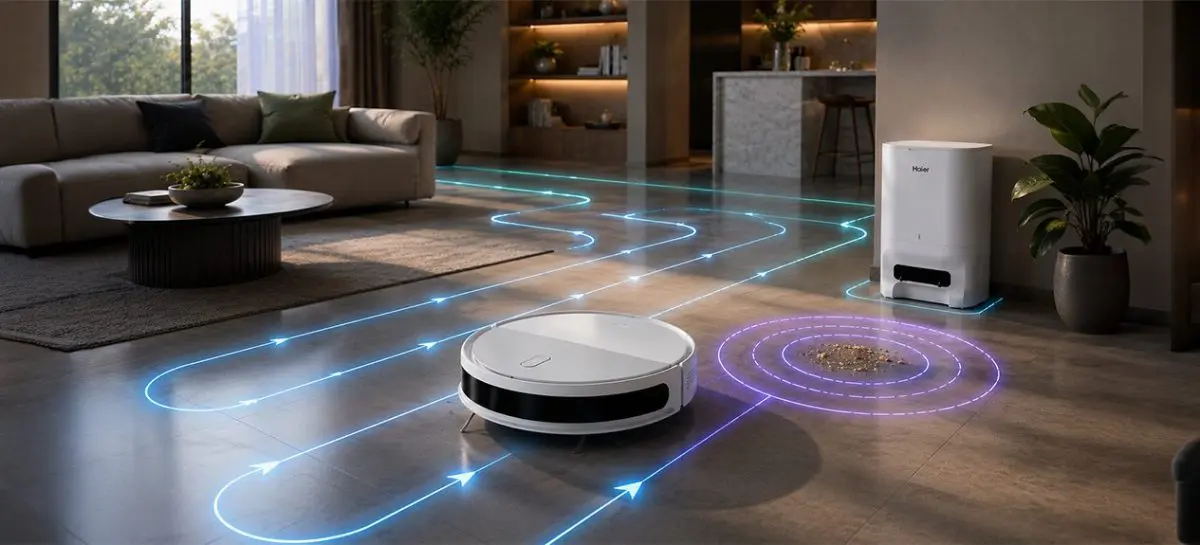
8. Incorporate Autonomous Smart Cleaning
[Moving from manual chore management to invisible routine maintenance]
Allocating precious personal time to routine floor sweeping or manual air purification adjustments is a drain on your daily lifestyle. Integrating high-performance robot vacuums and smart air purifiers into your floor plan allows you to offload the physical labor of basic home maintenance. This upgrade ensures your living environment remains consistently pristine, healthy, and organized without requiring a single minute of your manual attention.
By syncing these automated cleaning appliances to your central home hub, they learn to execute their routines seamlessly around your schedule. A robot vacuum equipped with advanced LiDAR mapping can be programmed to deploy the exact moment geofencing detects that you have left the property, ensuring you never have to see or hear it operate. Simultaneously, smart air purifiers monitor indoor particulate levels in real-time, automatically shifting into a silent high-efficiency mode when air quality drops during cooking, and scaling back down once the air is clear. This ongoing ecosystem maintenance leaves you with immaculate surfaces and clean air, completely hands-free.
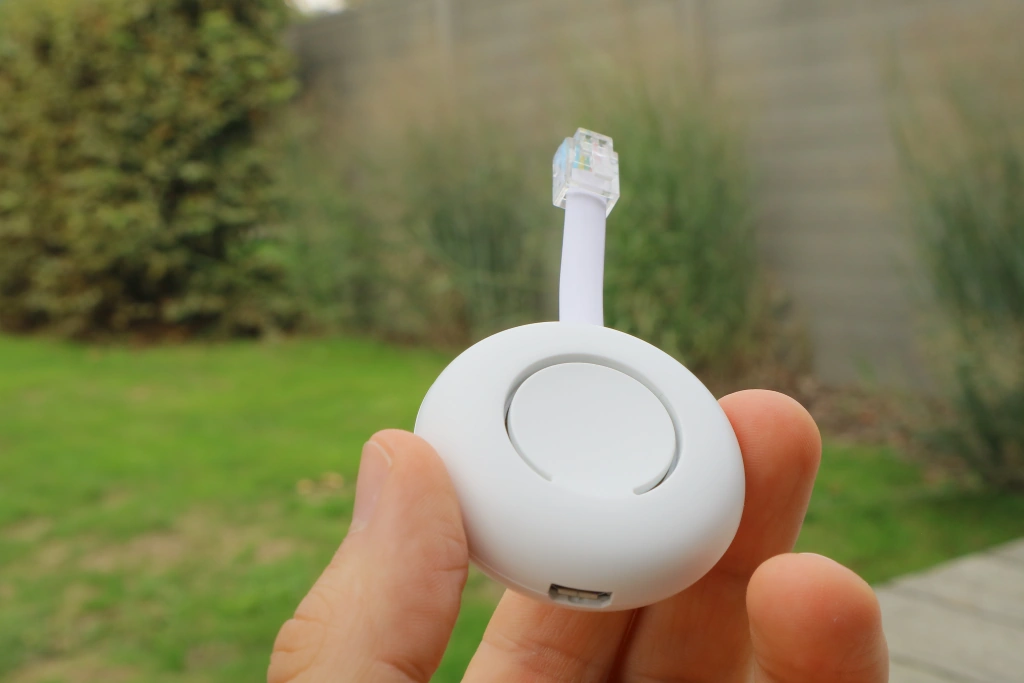
9. Track Your Energy with a Real-Time Pulse Tracker
[Moving from invisible utility drains to instant P1 port transparency]
Utility consumption can easily become an unpredictable hidden expense when left unmonitored. Fortunately, nearly every residential property in the Netherlands is equipped with a digital smart utility meter featuring an accessible P1 port. Plugging a tiny, localized hardware device—such as a HomeWizard P1 Meter—directly into this interface acts like a fitness tracker for your house, streaming real-time gas and electricity data straight to your phone.
Instead of waiting for a confusing monthly or annual statement, this integration allows you to monitor the exact electricity and gas draw of your household second by second. The ecosystem maps your baseline energy draw, making it effortless to identify "vampire loads" from electronics left on standby. Advanced configurations can push instant alerts if unexpected spikes occur, giving you total visibility and control over your home's footprint without ever requiring manual calculations.
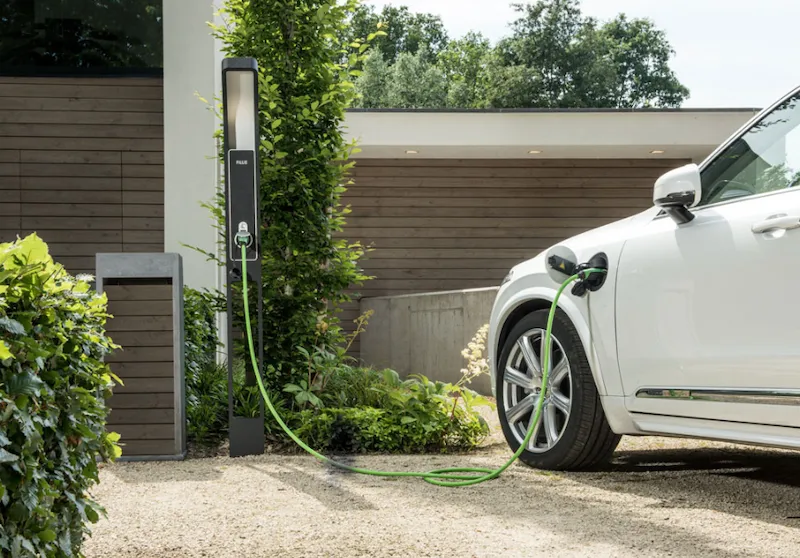
10. Deploy Intelligent EV Chargers and Power Vaults
[Moving from unmanaged power draw to predictive grid synchronization]
Managing massive electrical loads like an electric vehicle or a home battery requires a system that looks beyond the walls of the house. Integrating a smart EV charging station alongside a compact, slimline AI home battery (from local innovations like Planetpod) transforms your property into a self-balancing energy node.
These systems act like an intelligent power vault, utilizing predictive models to analyze tomorrow's weather forecasts and real-time grid tariffs simultaneously. Instead of drawing power blindly, the battery and charger synchronize automatically. If the weather report says it will be cloudy tomorrow, the home vault automatically buys cheap electricity from the grid at night so your home has plenty of power the next day. Alternatively, it can pull exclusively from your excess solar generation during the afternoon, storing that power to run the home during expensive evening peaks. This intelligent orchestration ensures your vehicle and home are consistently powered, shielding you from volatile energy markets entirely hands-free.
Conclusion: The Architecture of Convenience
The transformation of a traditional house into a high-performance smart home relies on the deliberate concealment of daily life's functional elements. By shifting from standalone, visible gadgets to integrated, multifunctional architectural systems, your living space is optimized without sacrificing aesthetic elegance.
Through the implementation of invisible data backbones, automated climate zones, and predictive energy tools, a modern footprint is completely redefined. These design strategies prove that technology should not dominate a home, but rather serve it quietly from behind the scenes—transforming even the most complex daily routines into sophisticated, cohesive environments that feel expansive, intentional, and perfectly calm.
Schedule your consultation
Do you want to know how to increase your property value in the Netherlands?
See also:
Modern Home Ideas to Increase Property Value
Back to blogs